Sold Out in New York for the Sicilian Ceramic Routes Workshops
New York, July 1, 2026 – The new luxury? Getting your hands into clay in a small artisan workshop in a Sicilian village. This is not a tourism slogan, but one of the latest trends shaping the international travel market. The strongest confirmation came from the American public in New York, where the experiential workshops of the Sicilian Ceramic Routes sold out completely. Their success goes far beyond attendance figures, revealing a deeper shift in travel behavior: today’s travelers seek authenticity. They want to meet local people, learn traditional crafts, and become part of the communities they visit. As a result, long-established artisan businesses, including the hundreds of Sicilian ceramic workshops, are opening their doors to a rapidly growing market: experiential tourism.
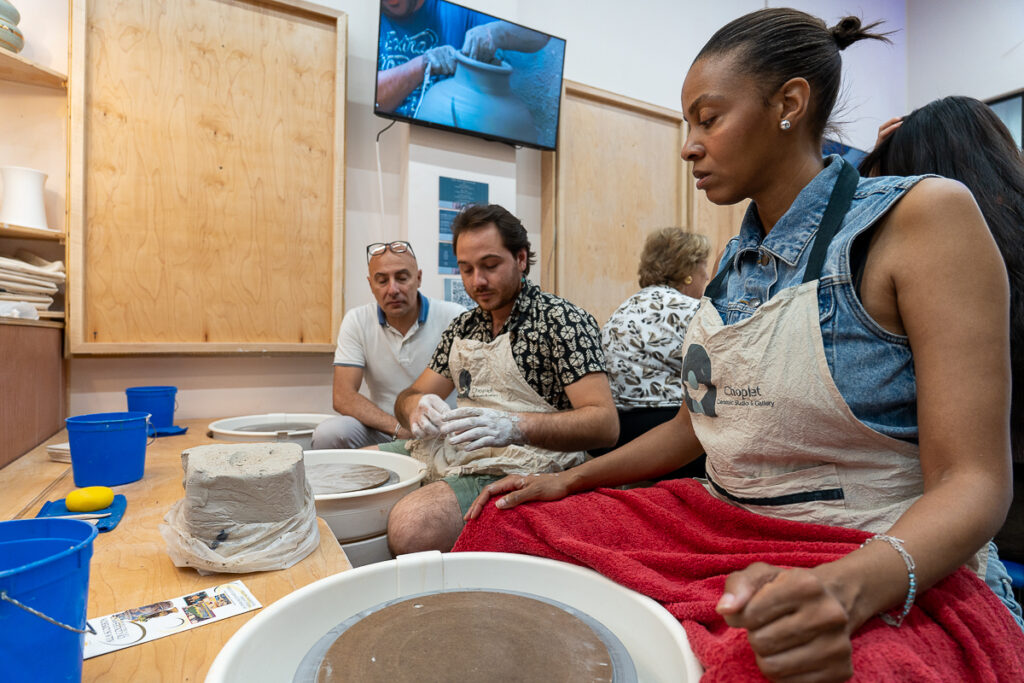
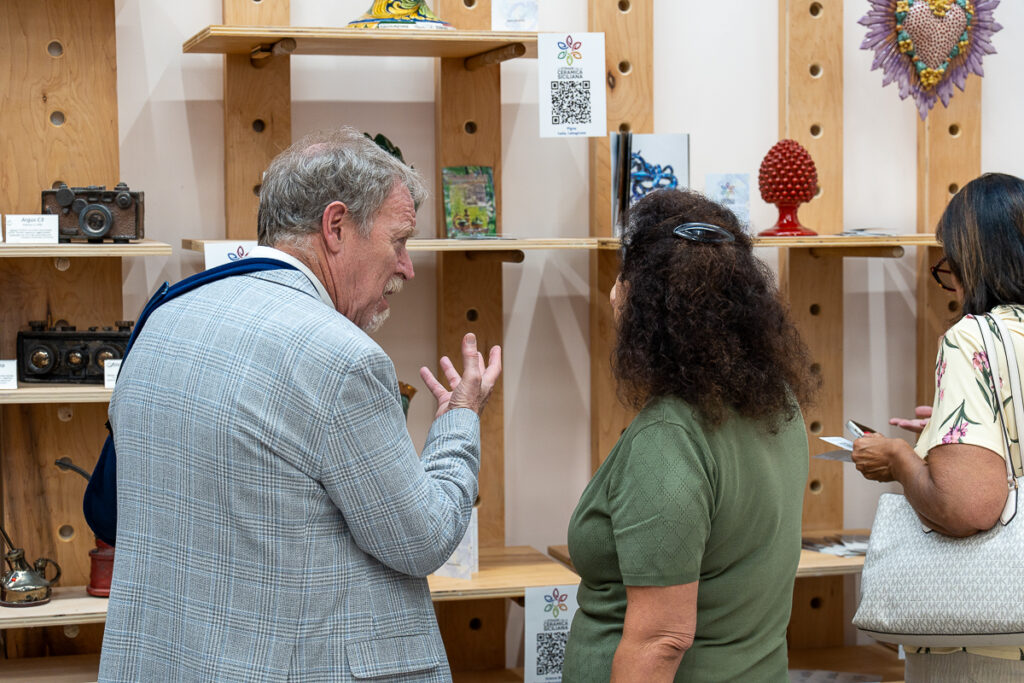
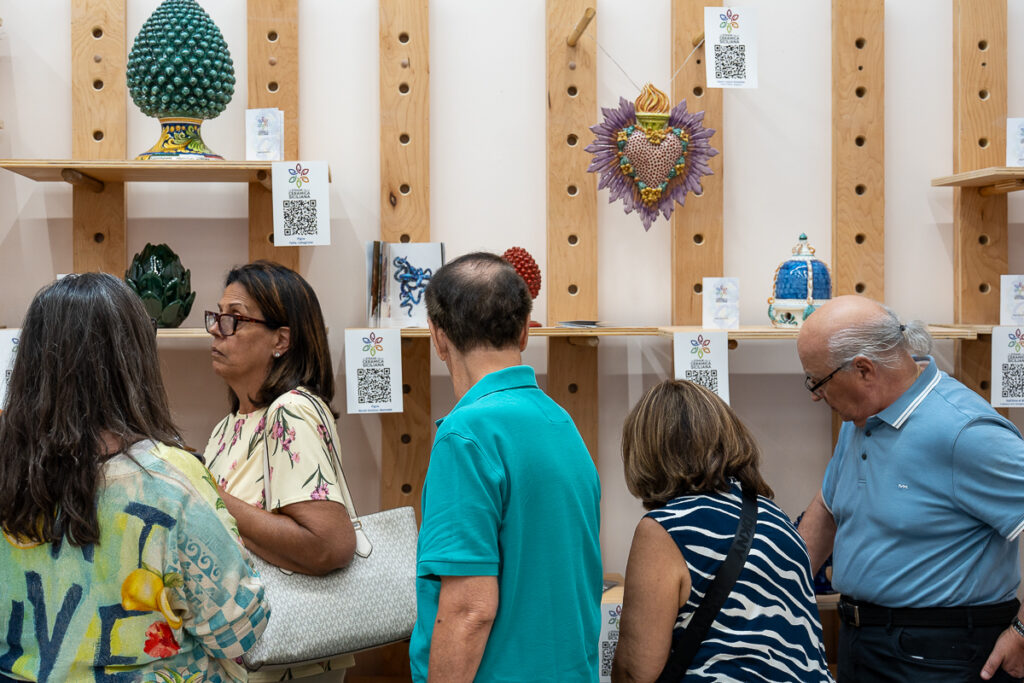
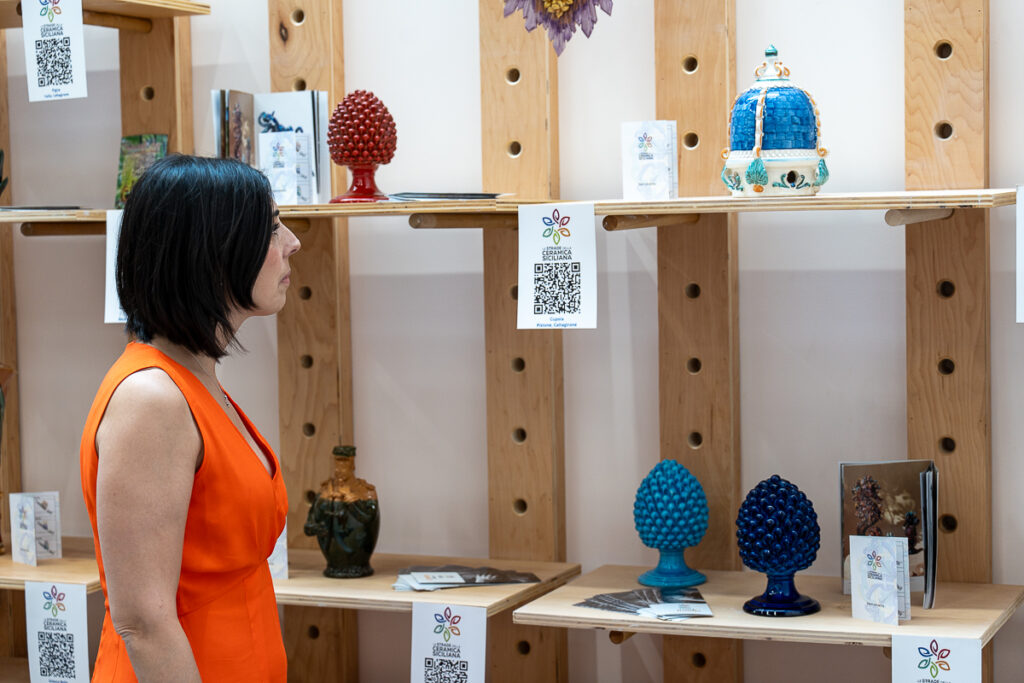
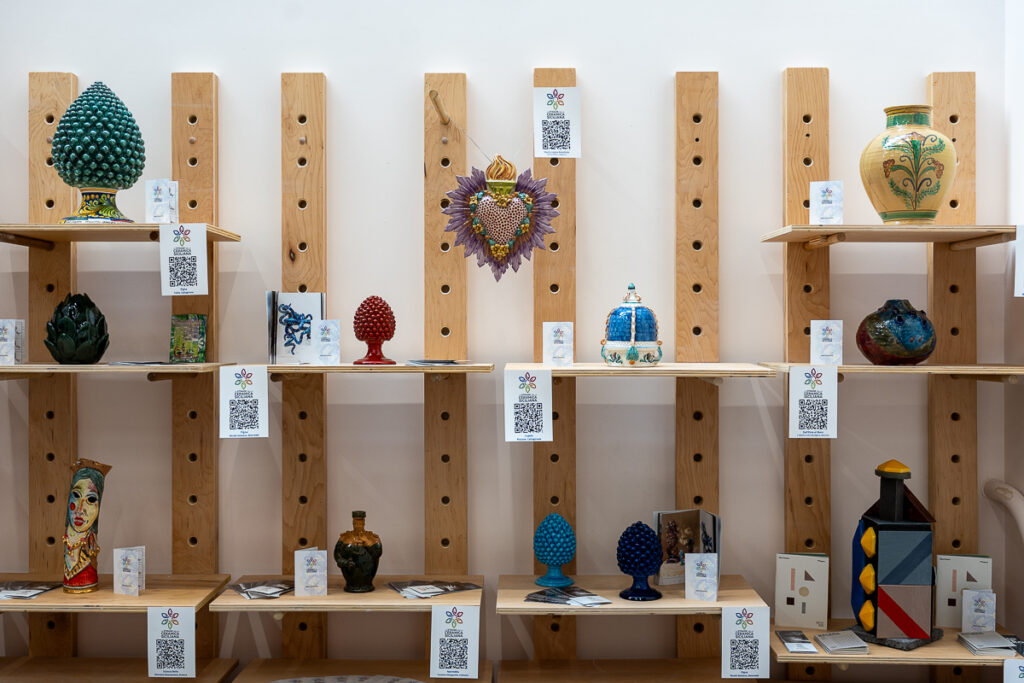
It is precisely this new vision of travel that inspired “Sicily Lands in Hands,” a project promoted by Migi Press through the collaboration of the municipalities of Burgio, Caltagirone, Collesano, Monreale, Santo Stefano di Camastra, and Sciacca. Co-financed by the Sicilian Region – Department of Productive Activities under the “Sicilia che piace 2026” initiative, the project brought the artistic excellence of Sicily’s six ceramic towns to the United States, transforming Brooklyn and Manhattan into a showcase of authentic Sicily for three days. The sold-out workshops at both Choplet Ceramic Studio Shop & Gallery in Brooklyn and Eataly Flatiron were not simply the success of two events; they confirmed the growing interest of the North American market in a form of tourism centered on identity, craftsmanship, historic villages, and local traditions, opening new international opportunities for Sicily’s ceramic sector.
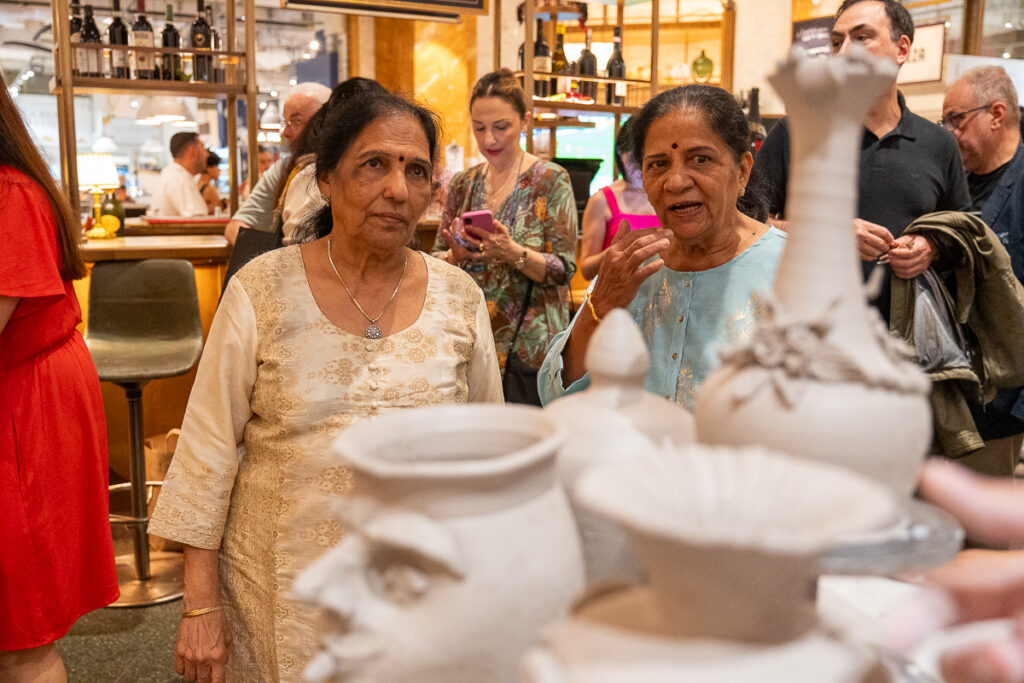
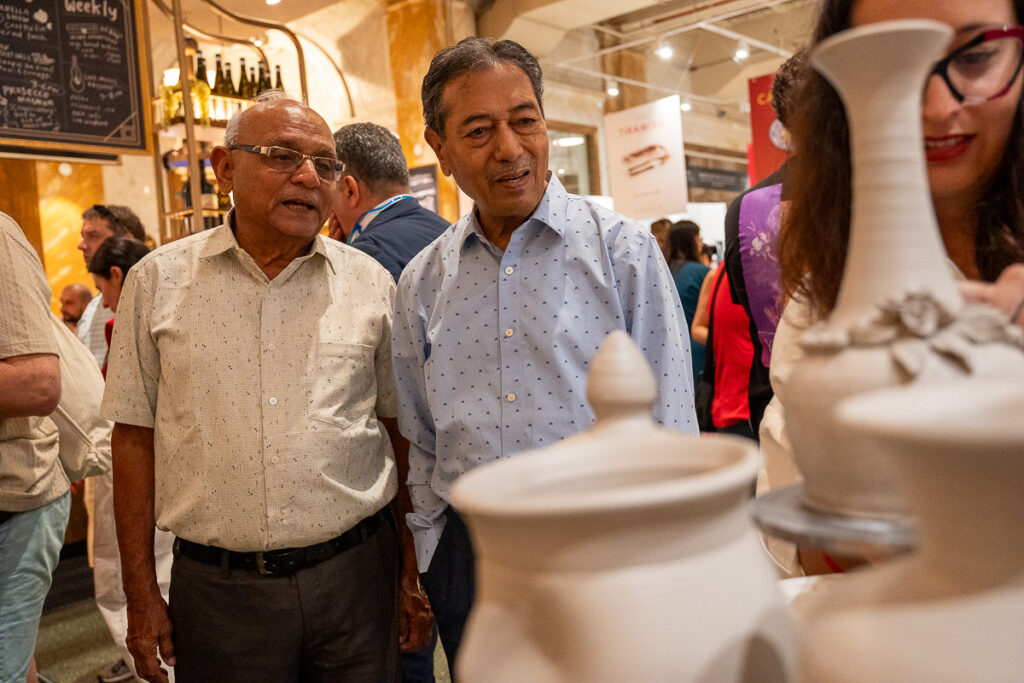
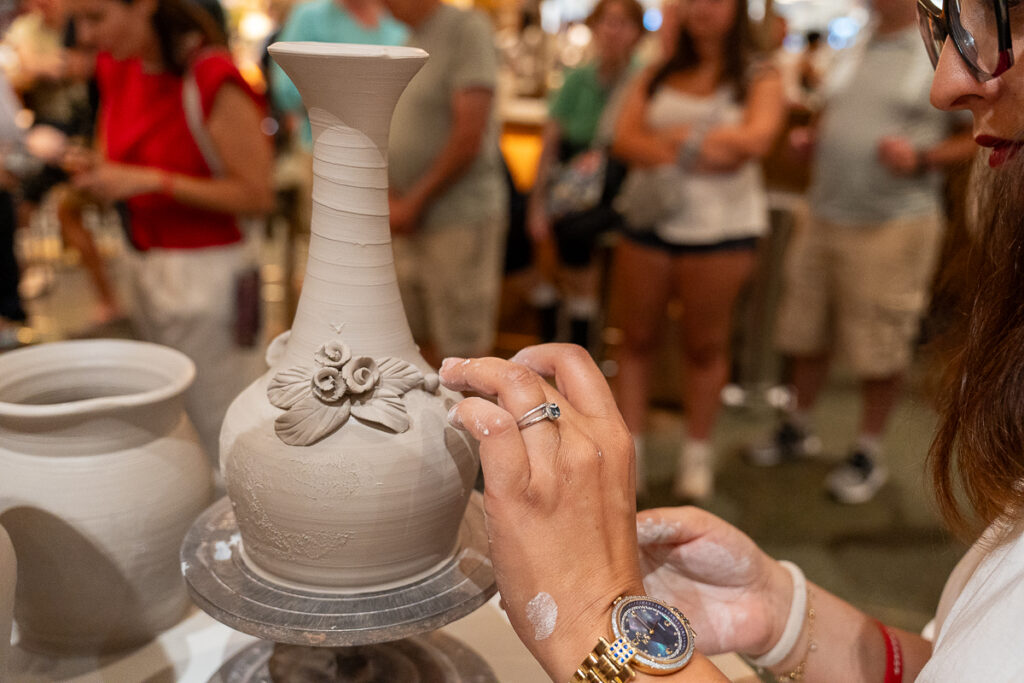
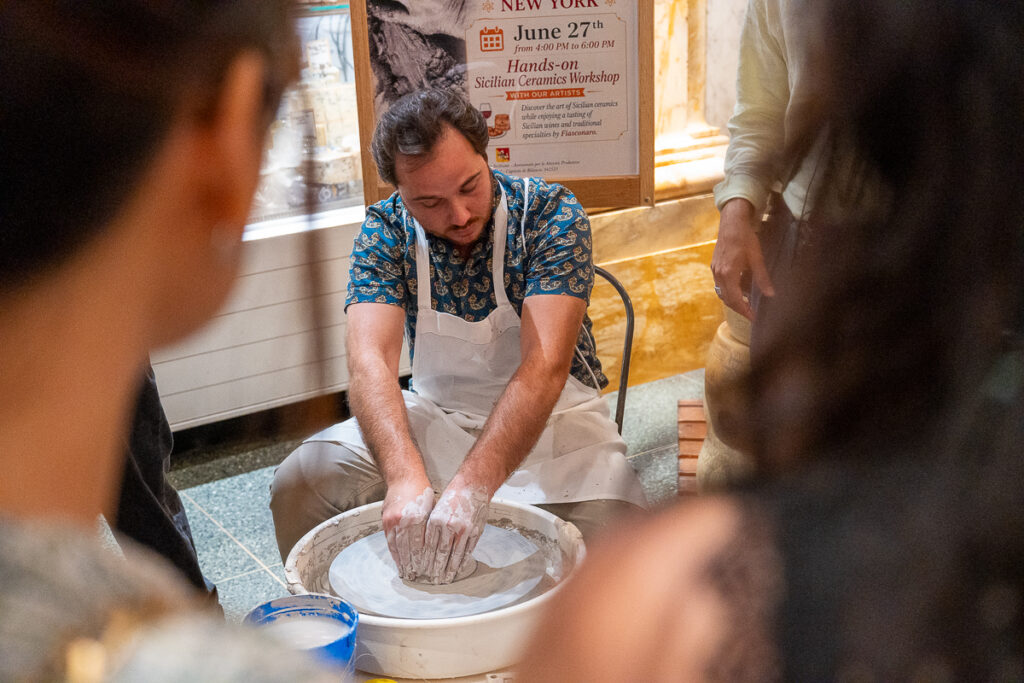
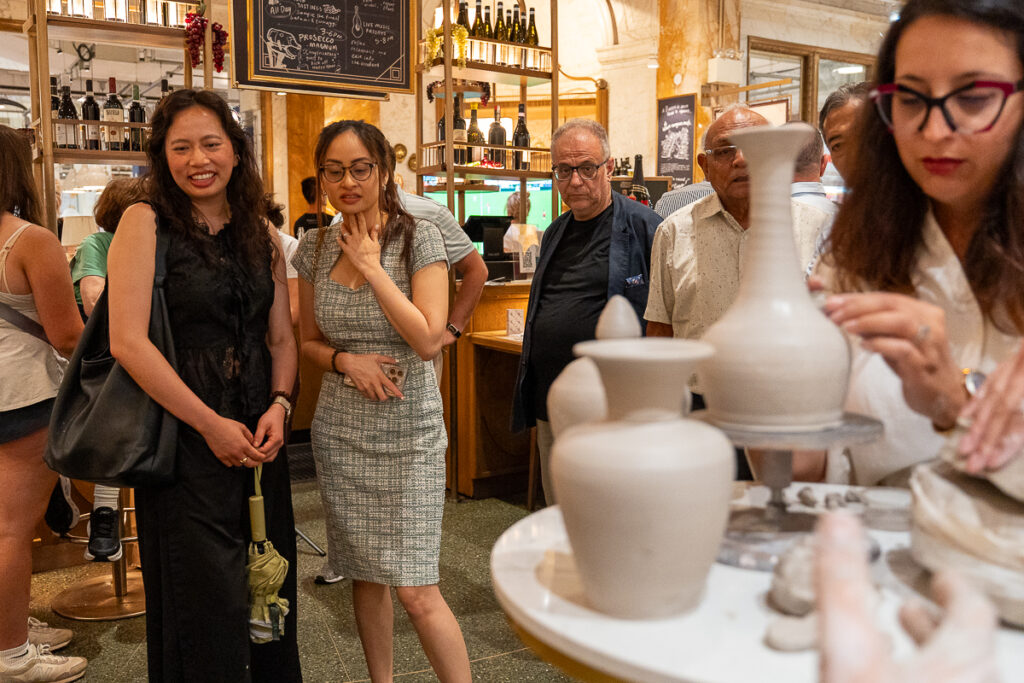
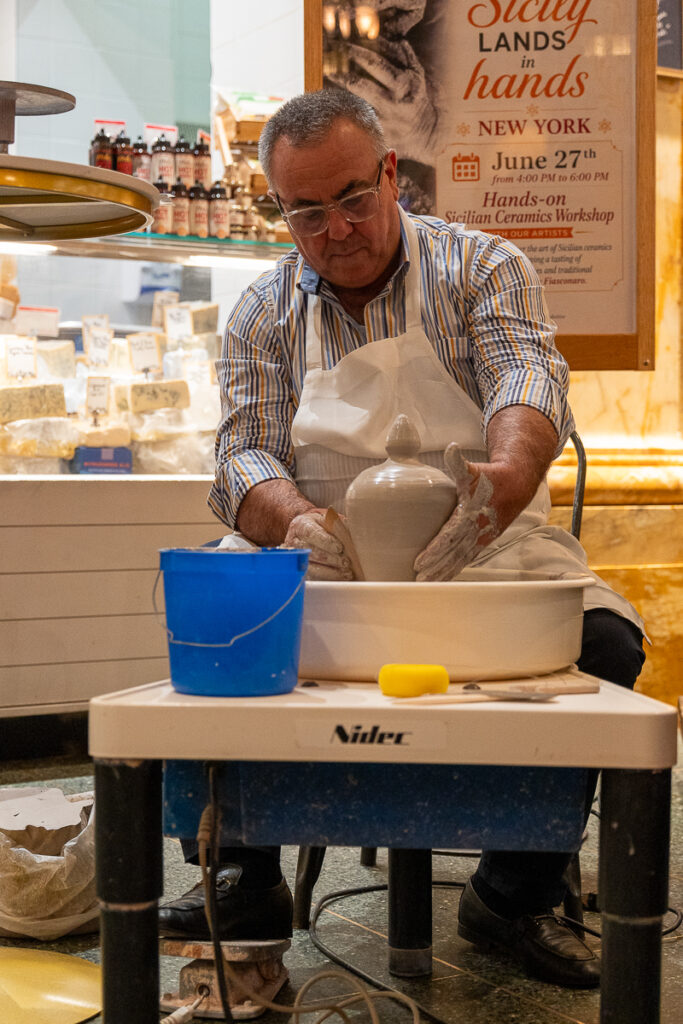
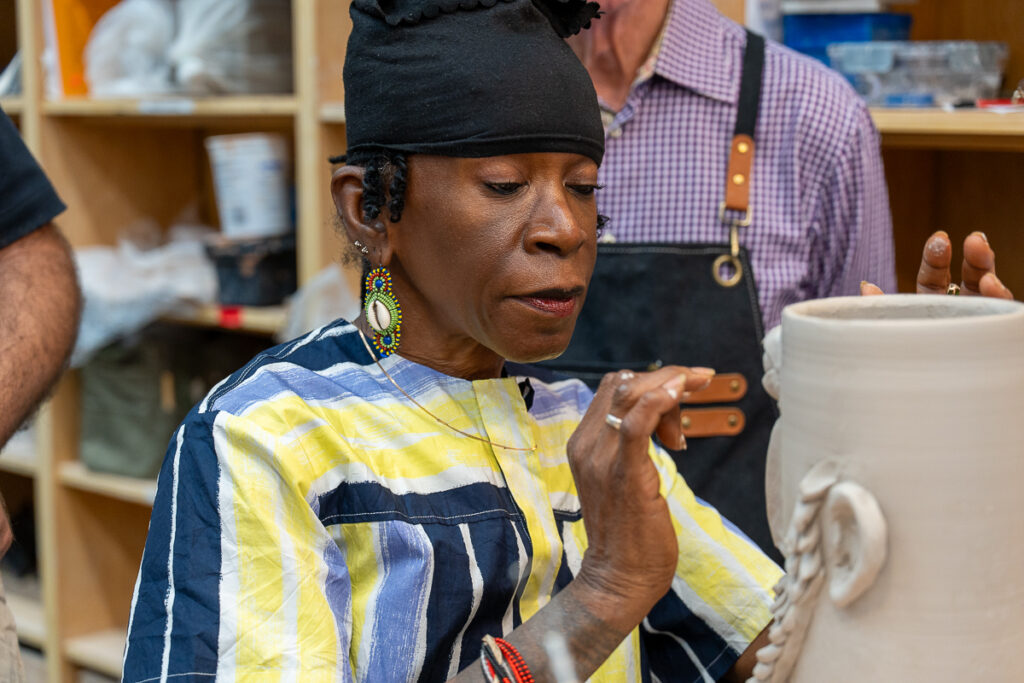
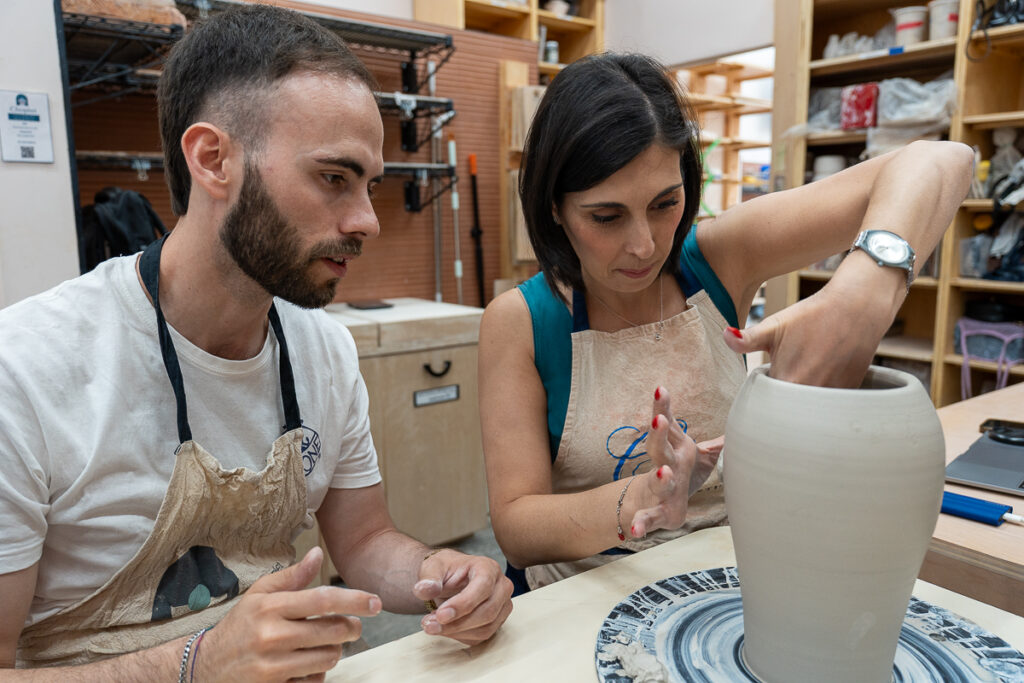
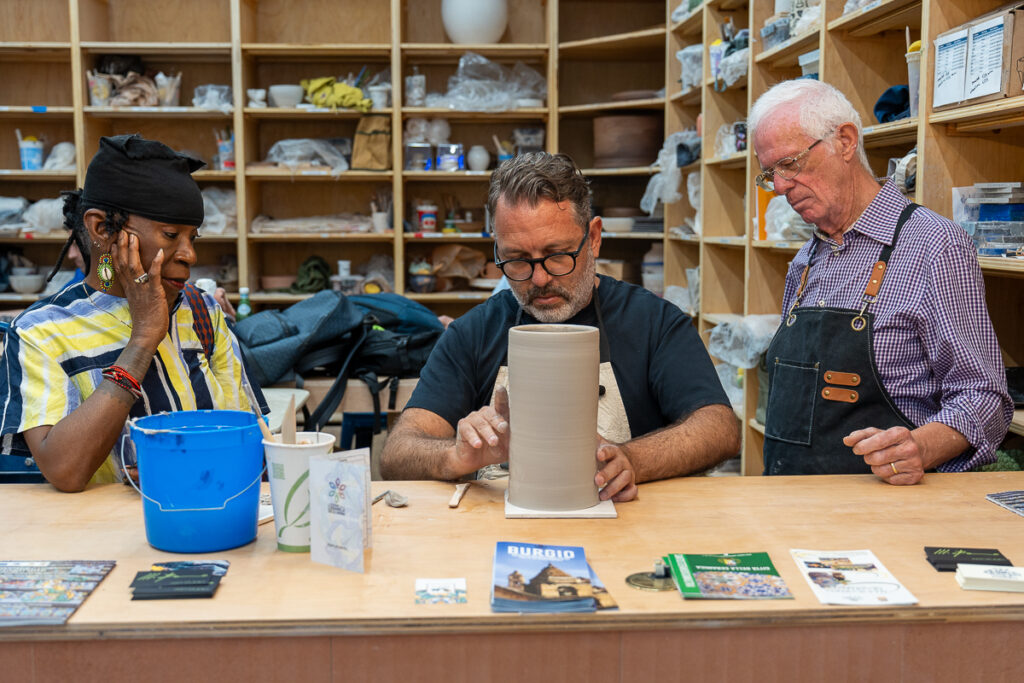
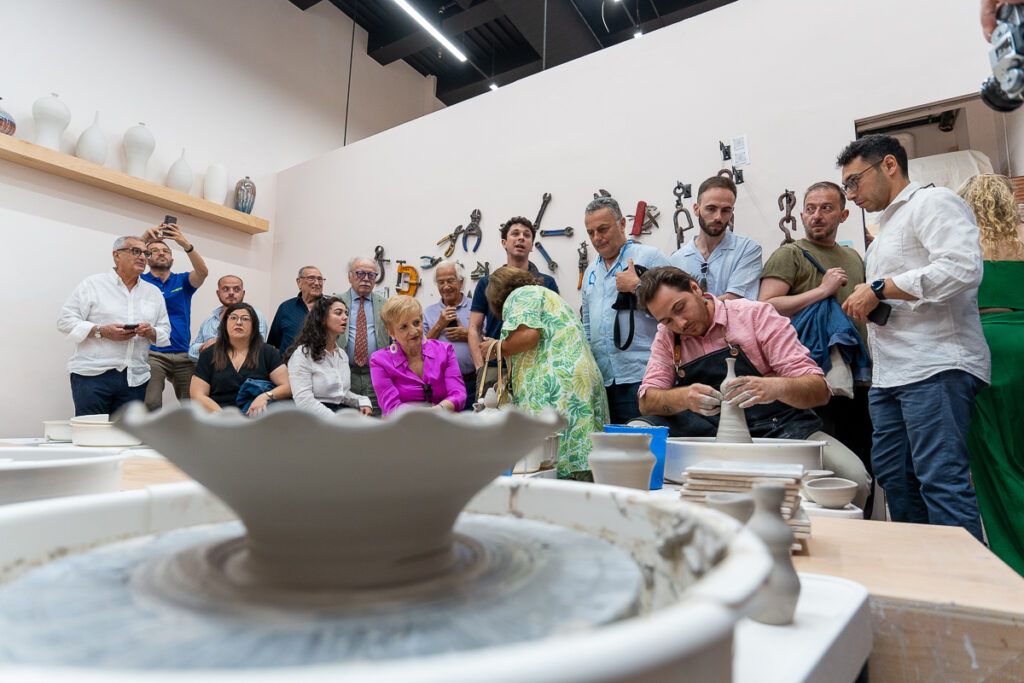
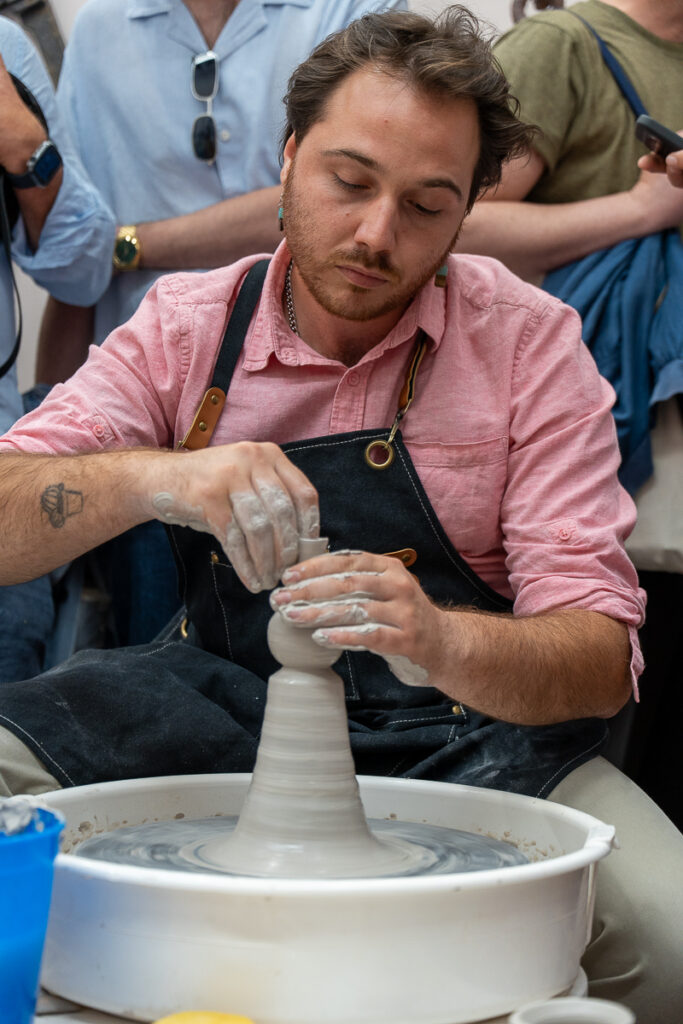
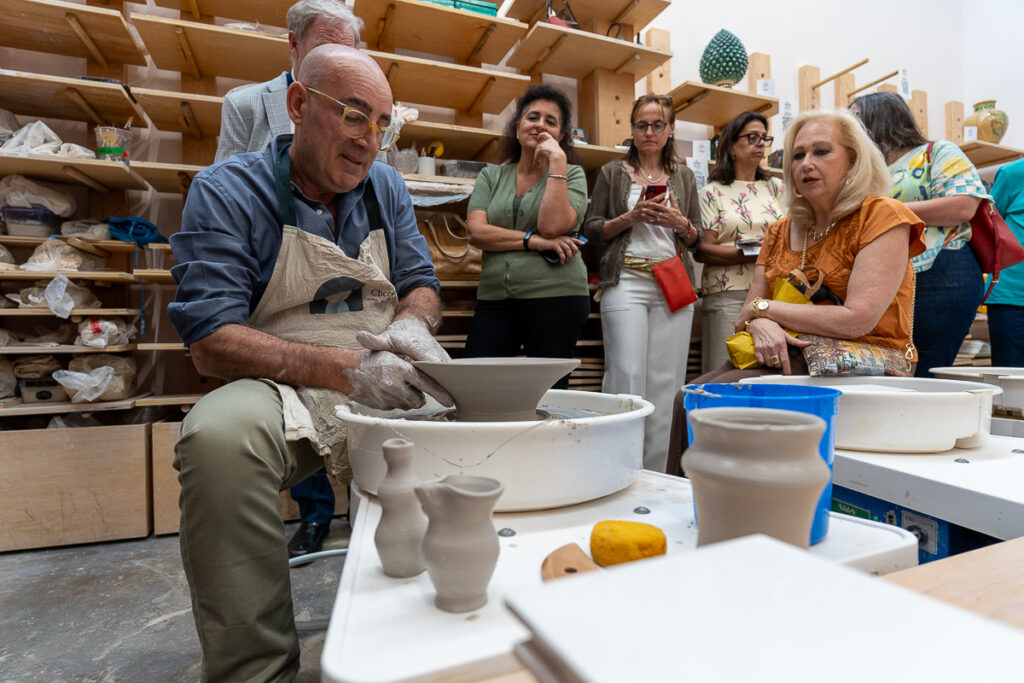
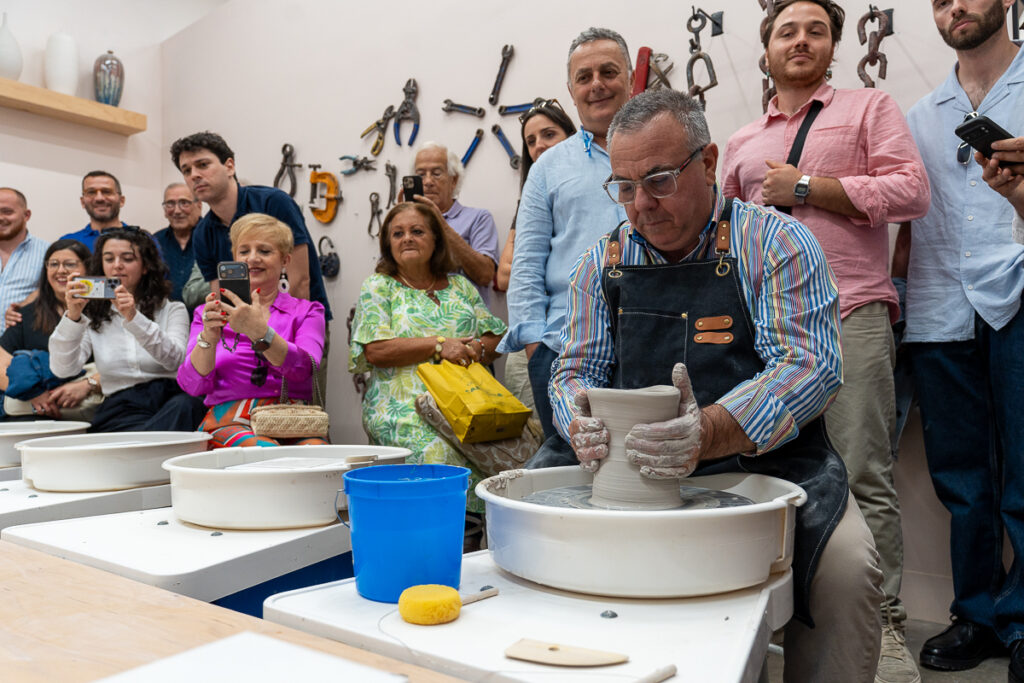
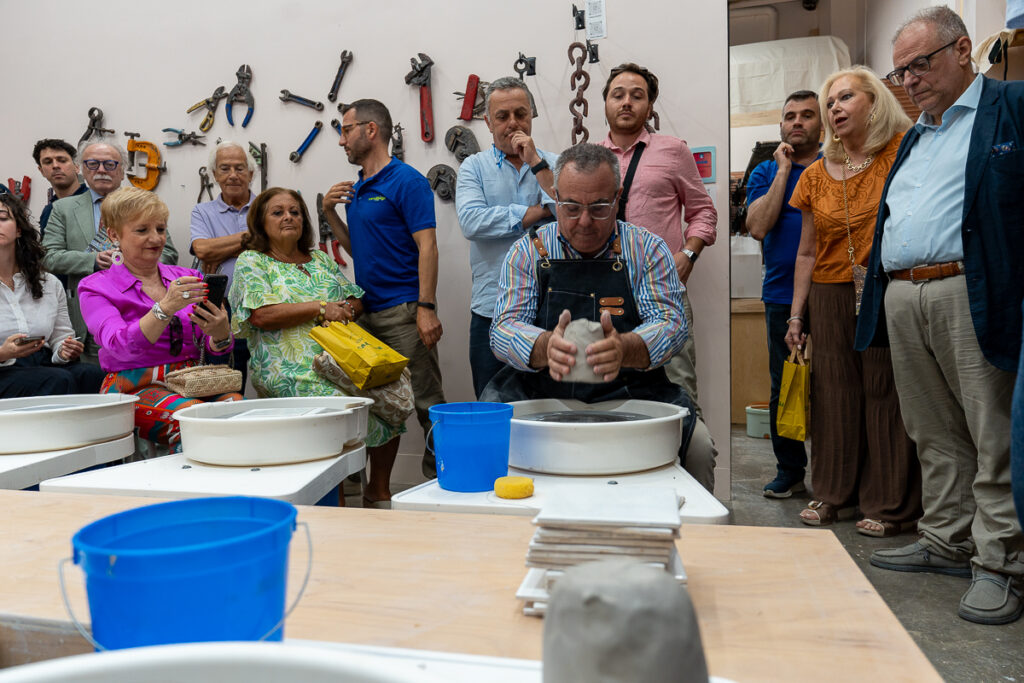
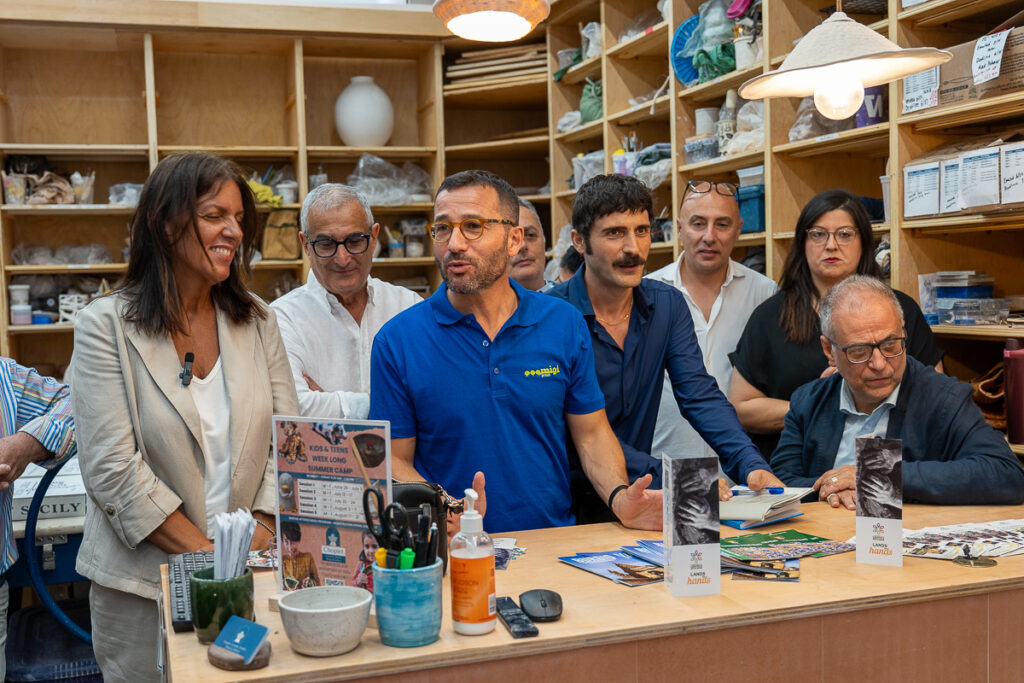
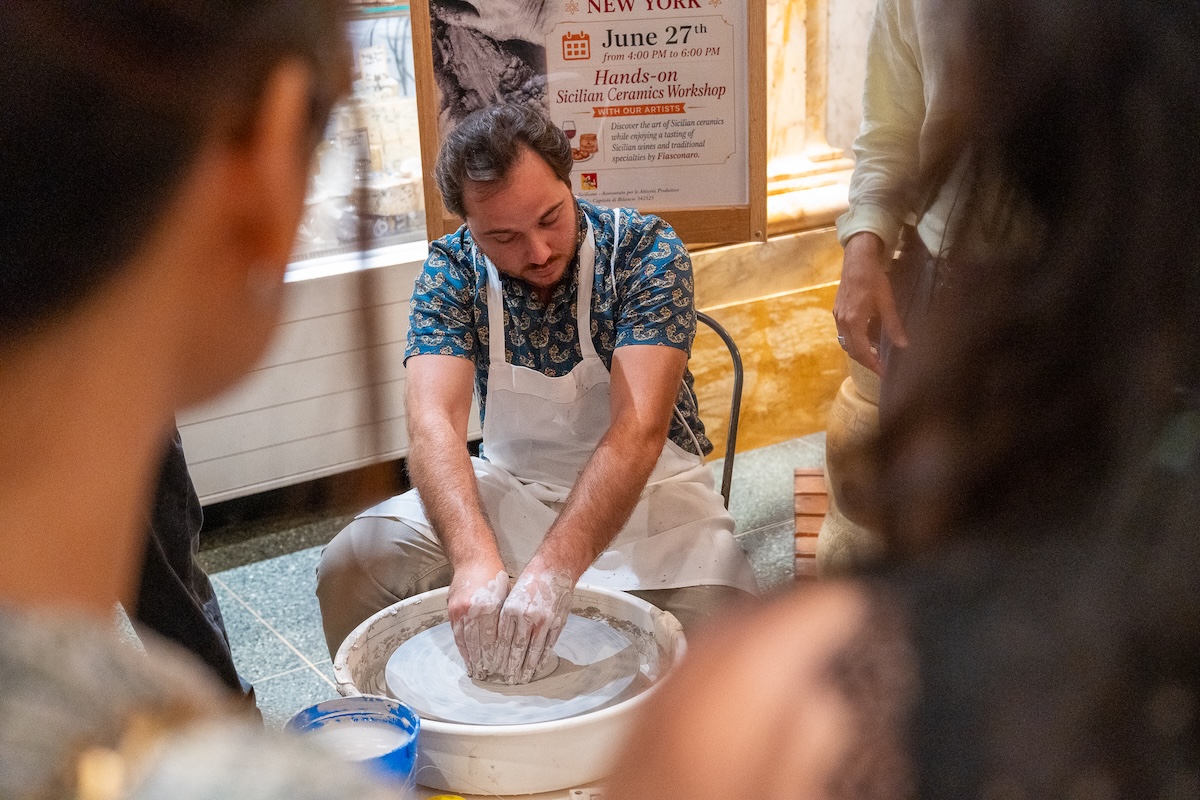
New York responded with overwhelming enthusiasm. Both experiential workshops organized as part of “Sicily Lands in Hands” reached full capacity at Choplet Ceramic Studio Shop & Gallery in Brooklyn and at Eataly Flatiron in the heart of Manhattan, demonstrating that Sicily’s cultural and manufacturing heritage has become one of the most effective tools for meeting the growing international demand for experiential tourism. The initiative, which showcased the six Sicilian ceramic towns—Burgio, Caltagirone, Collesano, Monreale, Santo Stefano di Camastra, and Sciacca—went far beyond presenting artistic works or handcrafted products. It introduced a different way of telling Sicily’s story: through direct interaction with artisans, hands-on clay modeling, conversations with master ceramists, and the discovery of a tradition rooted in thousands of years of history.
A tourism promotion model aligned with the evolution of the international market
“For the North American market, Sicily is now a very well-established destination,” explains Caterina Orlando, ENIT Country Manager for the United States and Mexico. “Today’s challenge is to offer new itineraries and new experiences. The new luxury is no longer represented by the most exclusive hotels, but by the opportunity to truly experience local traditions and become an active participant in the journey. American travelers seek authenticity; they want to discover the stories behind products, meet local communities, and immerse themselves in the life of small towns. Every product is deeply rooted in its territory and tells a centuries-old story. That is precisely what makes Sicily such an extraordinary destination.” This vision perfectly reflects the philosophy behind the Sicilian Ceramic Routes, created to transform an artistic heritage into a powerful tool for territorial promotion, capable of leading visitors beyond the traditional circuits of overtourism and into workshops, museums, artisan studios, landscapes, and local communities.
“Ceramic art,” emphasizes Claudio Lo Monaco, National Vice President of the Italian Association of Ceramic Cities, “is one of Sicily’s strongest identity markers. Through ceramics, visitors discover the island’s history—a history shaped by Arab, Spanish, Jewish, and Mediterranean influences that are still visible today in its colors, forms, and decorative patterns. This is the idea behind the Sicilian Ceramic Routes Passport, which we consider a true credential for experiential tourism: a tool that encourages visitors to rediscover Sicilian identity through its ceramic tradition. ‘Lands in Hands’ expresses exactly this concept: placing the land of Sicily into people’s hands, transforming travel into an experience that engages all five senses.”
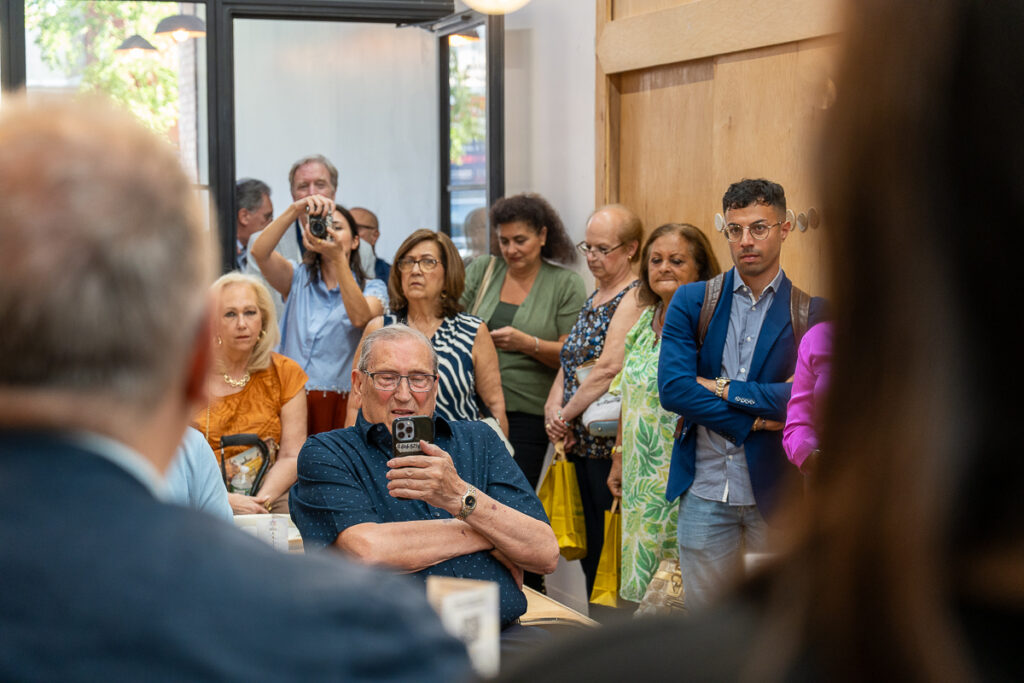
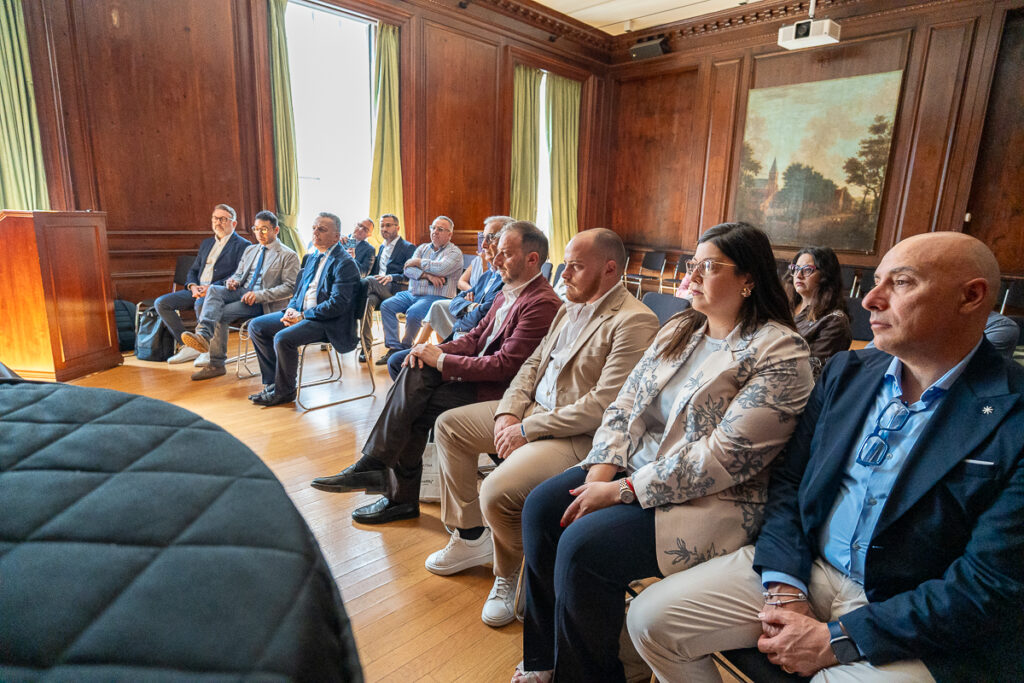
In New York, this vision found an attentive and enthusiastic audience. During the two fully booked workshops, dozens of participants had the opportunity to shape clay alongside Sicilian master ceramists, discovering that every handcrafted piece embodies centuries of history, culture, and Mediterranean identity. For the small municipalities within the network, the project also represents a tangible opportunity for economic and tourism development.
“Bringing our craftsmanship beyond Italy’s borders means promoting our territories,” says Alessandro Amoroso, Councillor for Tourism of the Municipality of Santo Stefano di Camastra. “For communities like ours, ceramics are much more than a tradition—they are one of the main drivers of the local economy. Working together as six ceramic towns allows us to present a strong and credible proposal to international markets. The support of ENIT, the Italian Cultural Institute of New York, and the Sicilian Region demonstrates that experiential tourism offers a concrete path for enhancing the excellence of our territories and creating new opportunities for sustainable development.”
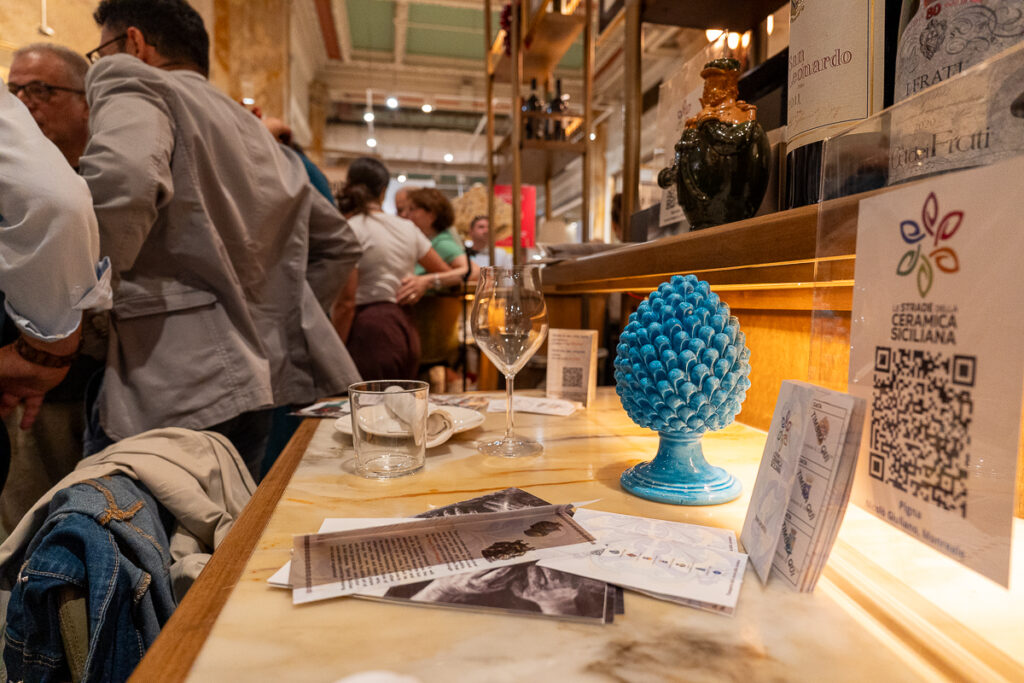
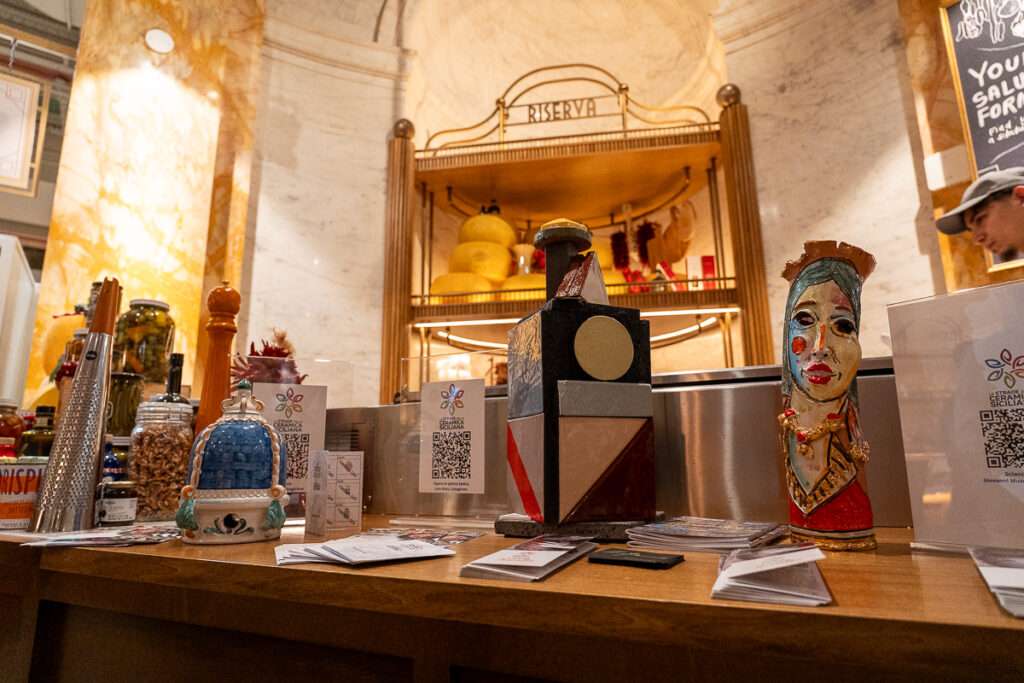
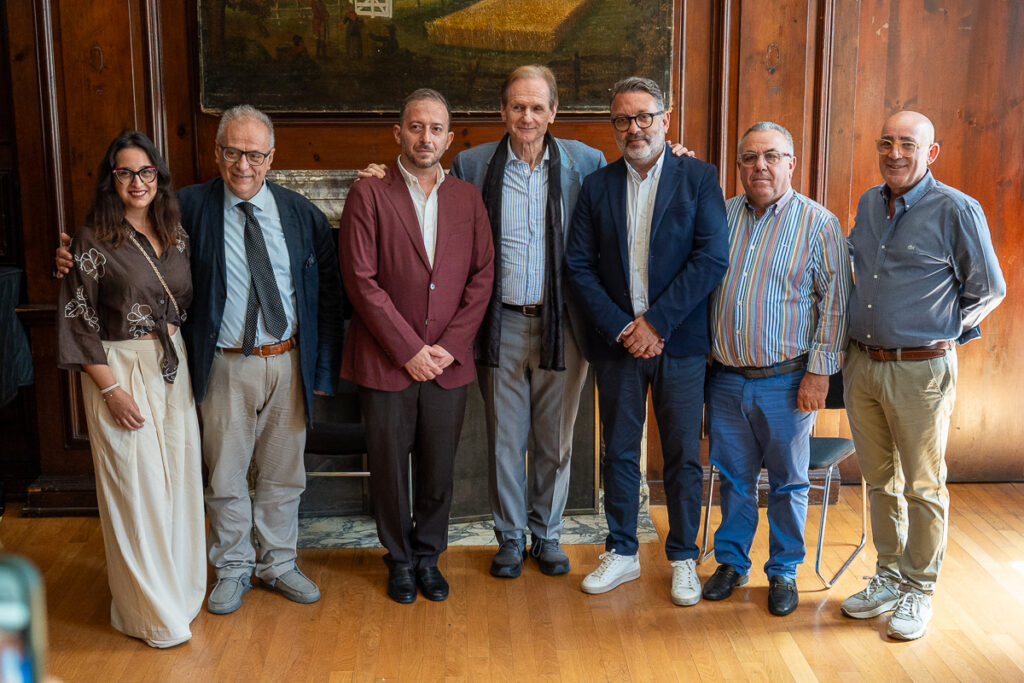
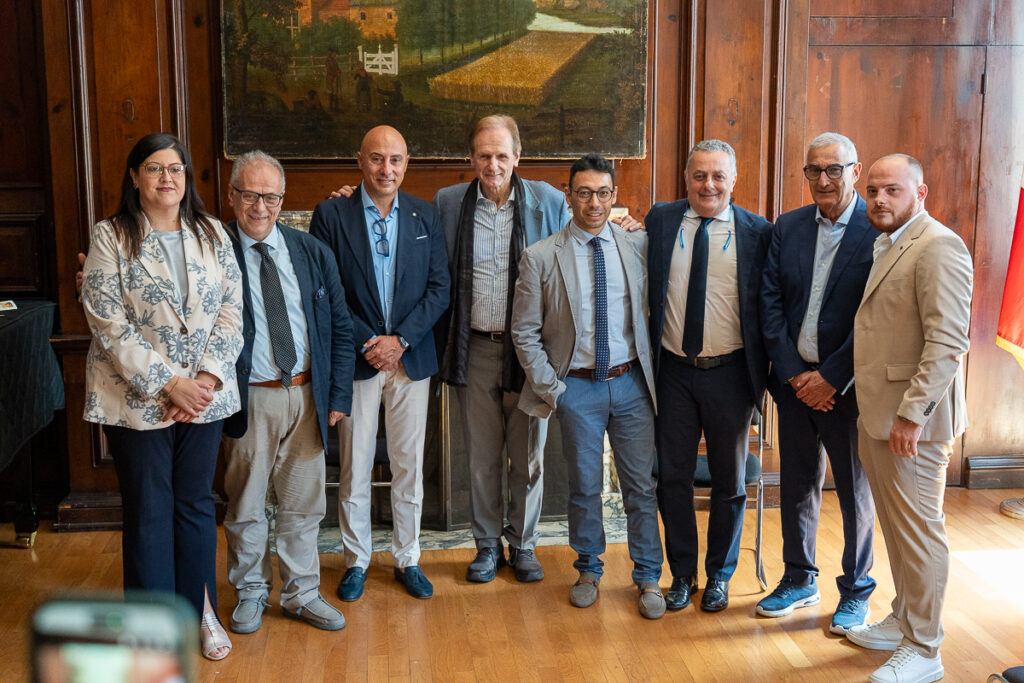
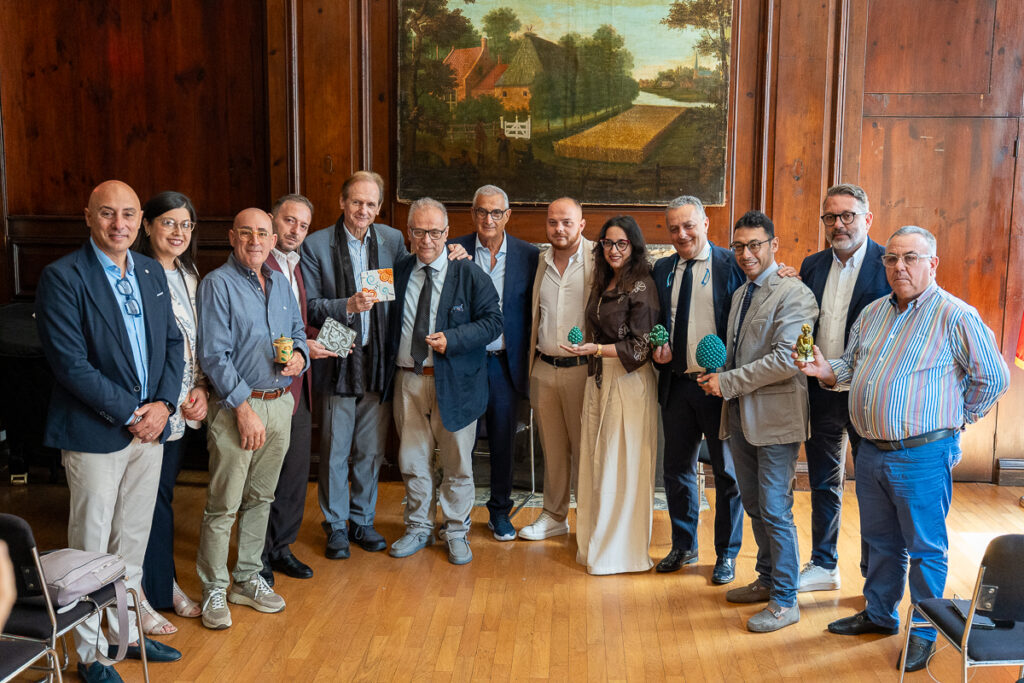
Among the most significant moments of the American mission was the presentation of the Sicilian Ceramic Routes Passport to Claudio Pagliara, Director of the Italian Cultural Institute of New York. This symbolic gesture marked the international launch of a tool designed to encourage experiential tourism across the six municipalities of the network, inviting visitors to collect stamps from each ceramic town while discovering workshops, museums, artisan studios, and the people who keep these traditions alive. The U.S. debut of “Sicily Lands in Hands” confirmed that Sicily’s intangible cultural heritage can become a strategic asset for attracting new international tourism flows. It is not simply about art, but about telling an authentic story of the territory—one that successfully combines culture, traditions, outstanding craftsmanship, and local development.
This perspective is also supported by international tourism trends: today’s travelers increasingly favor destinations capable of offering authentic experiences in which visitors are not mere spectators, but active participants in the stories they live. It is this vision that will continue to guide the internationalization of the Sicilian Ceramic Routes, bringing to the world a tourism promotion model centered on villages, artisans, and the most authentic identity of Sicily.